30 May 2026 · 5 min read · Applidia
GLP-1: a complete guide to understanding and tracking your treatment
History of GLP-1 analogs, how they work, monitoring methods, treatment goals, and how Applidia simplifies the weekly injection, complete 2026 guide.
- GLP-1
- type 2 diabetes
- treatment tracking
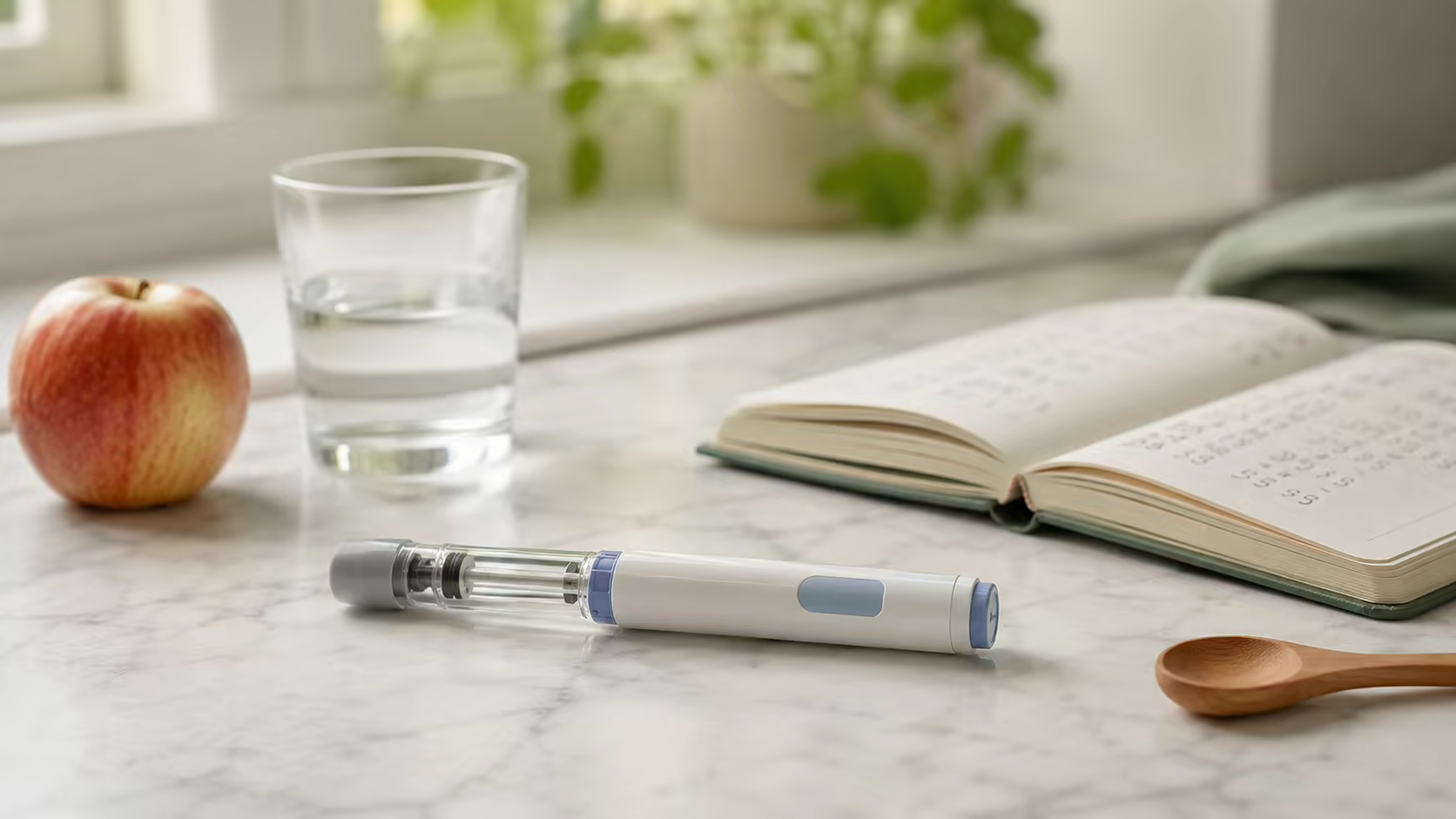
In 2026, GLP-1 analogs, semaglutide, dulaglutide, tirzepatide, liraglutide, have become one of the most prescribed drug classes for type 2 diabetes and, more recently, for obesity management. Yet many patients begin treatment with more questions than answers: how does it work? what should I monitor? why is the injection weekly and not daily?
This guide covers the fundamentals, a bit of history, the physiology, clinical goals, recommended monitoring methods, and shows how Applidia supports people on GLP-1 every day, especially with its dedicated weekly reminder.
1. A little history: 40 years from hormone to drug
Glucagon-like peptide-1 (GLP-1) is an intestinal hormone identified in the 1980s by the teams of Daniel Drucker, Joel Habener and Svetlana Mojsov. Secreted by the L cells of the small intestine after a meal, it plays a triple role:
- Stimulates insulin secretion by the pancreas, but only in the presence of glucose ("glucose-dependent" effect → no spontaneous hypoglycemia).
- Suppresses glucagon, the hormone that raises blood sugar.
- Slows gastric emptying and increases satiety.
First hurdle: human GLP-1 is degraded within 1 to 2 minutes by the DPP-4 enzyme. So it cannot be used directly as a drug. It took until 2005 for exenatide to appear, derived from a protein in the saliva of the Heloderma suspectum lizard, resistant to DPP-4. Then liraglutide (2010), dulaglutide (2014), semaglutide (2017; oral form in 2019) and tirzepatide (2022, dual GLP-1/GIP agonist).
Each generation has brought a longer duration of action and better metabolic efficacy.
2. How does it actually work?
When you inject a GLP-1 analog (typically once a week, via a pre-filled subcutaneous pen), the molecule remains active for several days. It works continuously, with no marked peak or trough. Clinical effects observed:
| Effect | Mechanism | Benefit |
|---|---|---|
| Lower HbA1c | Insulin ↑, glucagon ↓ | -0.8 to -1.8 % depending on molecule |
| Weight loss | Satiety ↑, gastric emptying ↓ | -3 to -15 kg over 1 year |
| Cardiovascular risk | Direct + indirect | Proven reduction (LEADER, SUSTAIN-6, REWIND) |
| Kidney protection | Multifactorial | Slowing of eGFR decline |
Side effects are mainly digestive (nausea, constipation, early satiety), especially at treatment start or when increasing the dose. They usually fade within 4 to 8 weeks.
3. The goals of treatment
GLP-1 treatment is not "magic": it fits into a global strategy. With your physician, the typical targets are:
- HbA1c < 7 % (or individualized depending on age and comorbidities).
- Fasting blood glucose 4.4 to 7.2 mmol/L (80–130 mg/dL).
- Post-meal blood glucose < 10 mmol/L (180 mg/dL) at 2h.
- Gradual weight loss if overweight/obese: 5 to 10 % of initial weight at 6 months.
- Blood pressure and lipids maintained within individual targets.
Without regular monitoring, there is no way to know if the dose is appropriate, if tolerance is good, and whether to titrate (gradually increase) or stabilize.
4. How to properly monitor GLP-1 treatment
Three axes of monitoring are recommended:
A. Blood glucose
- Fasting in the morning: daily reference or 2-3× per week.
- Post-meal: occasionally, to confirm that a meal doesn't blow up the curve.
- HbA1c: every 3 months (lab test).
B. The treatment itself
- Date of each injection (critical to avoid missing or doubling).
- Injected dose (pens are titrated: 0.25 → 0.5 → 1 → 2 mg for semaglutide, for example, etc.).
- Injection site (rotate abdomen / thigh / arm).
- Symptoms experienced (nausea, bloating), useful for your physician at the consultation.
C. Tolerance and well-being
- Energy, sleep, appetite (subjective scale).
- Digestive symptoms (nausea, bloating) during the first weeks.
The classic GLP-1 weekly pitfall: forgetting the injection. One day late is tolerable, two is not. Regularity drives efficacy.
5. How Applidia supports people on GLP-1
Applidia was designed with Swiss diabetologists to make this follow-up simple, fast and useful, no ads, no subscription, no transfer of your identifying data to a server. And above all, everything is done in a minimum of taps: 2 taps to log a GLP-1 injection — that's a record!
A dedicated GLP-1 module
Unlike most apps that only handle insulin, Applidia treats GLP-1 analogs as a full family, with their own weekly rhythm.
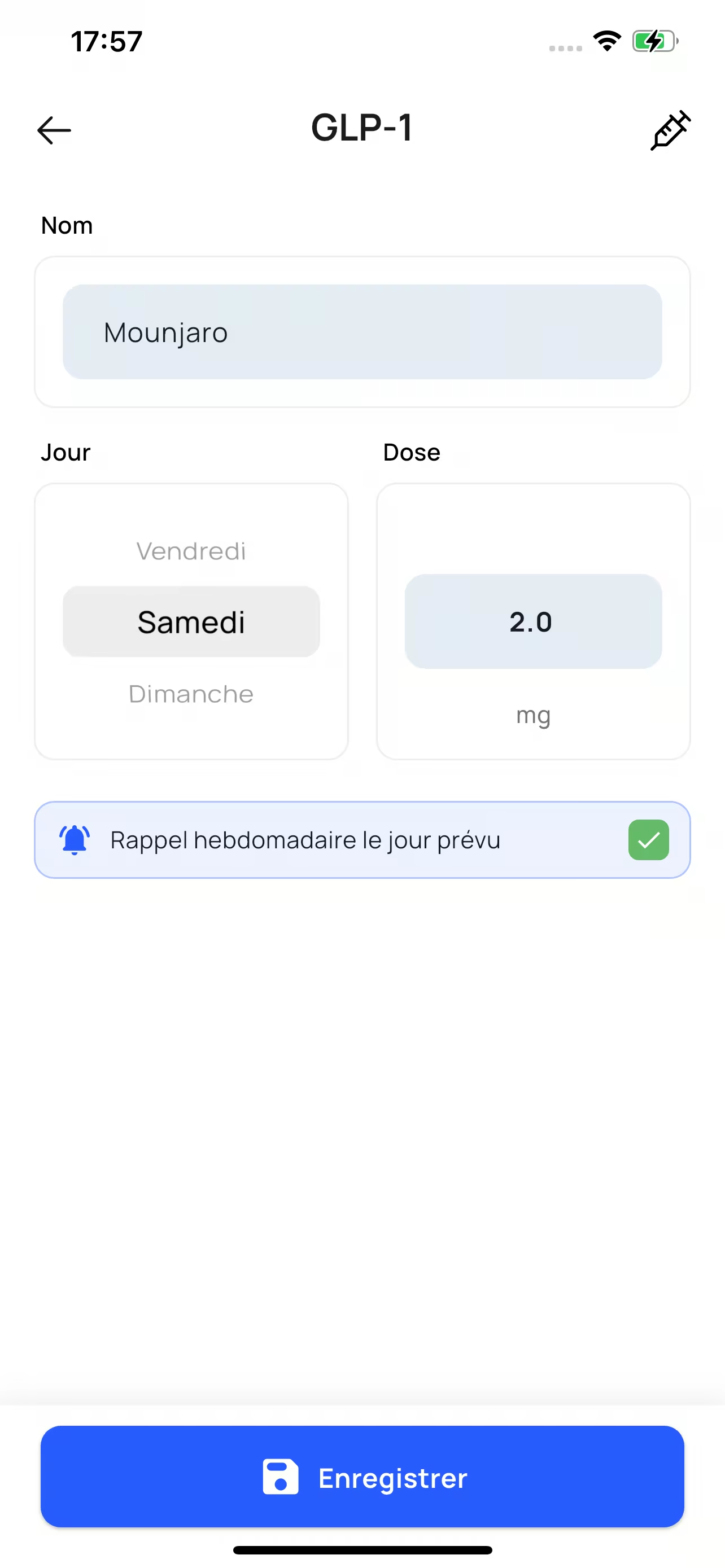
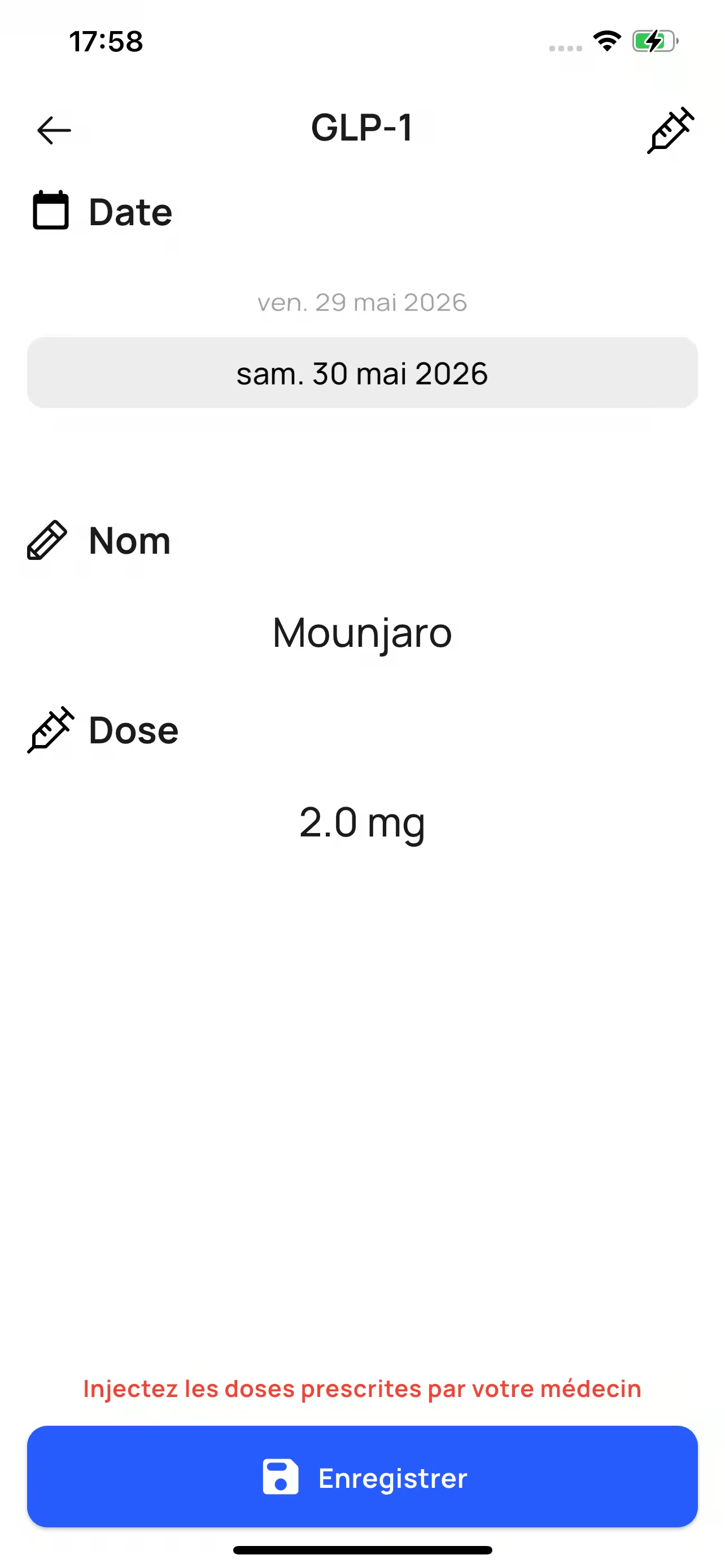
You set up your molecule (semaglutide, dulaglutide, tirzepatide…), your current dose, your injection day (e.g. "every Monday"), and that's it. The app handles the rest.
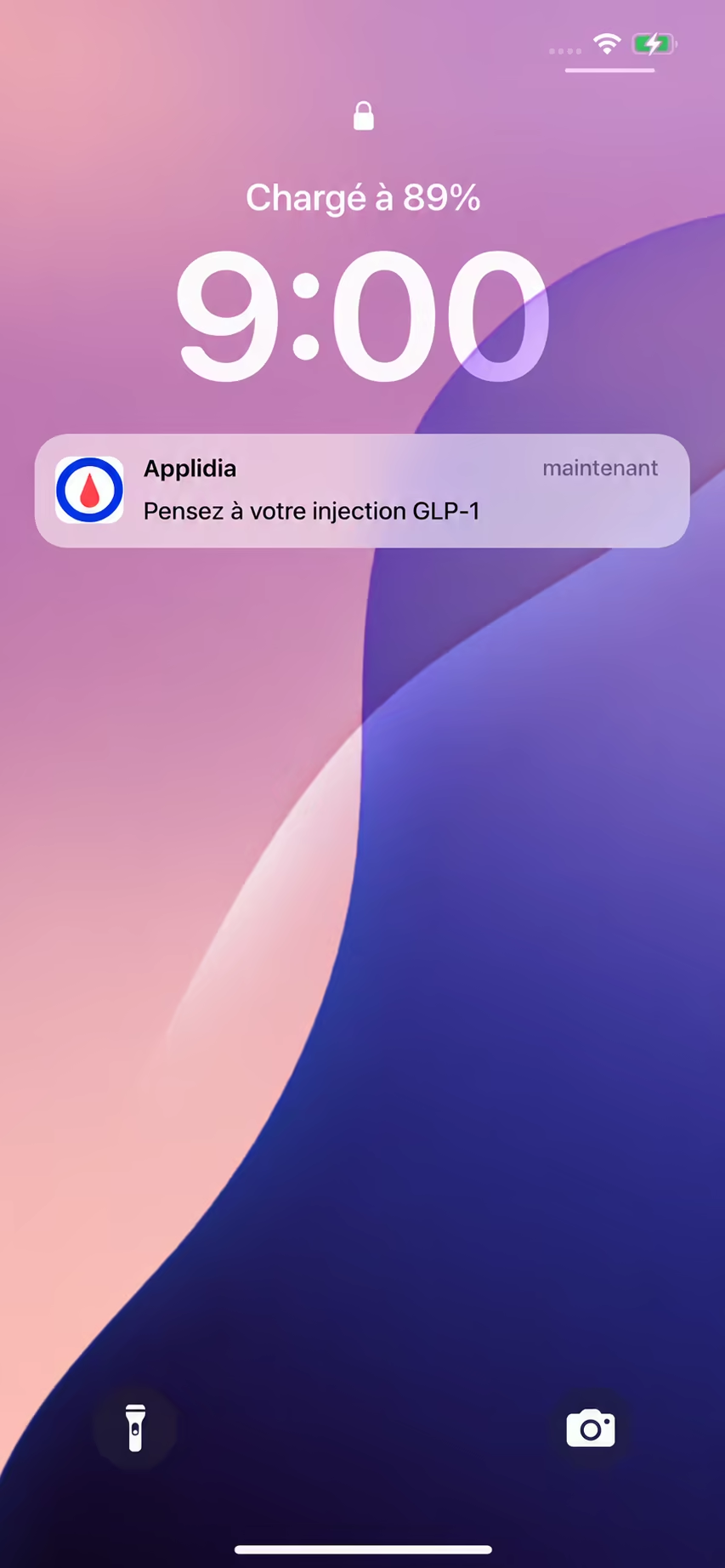
The smart weekly reminder
This is probably the most useful feature for anyone starting a GLP-1. On the morning of your injection day, Applidia sends a discreet notification: "Today is your semaglutide 0.5 mg injection." No more missed doses.
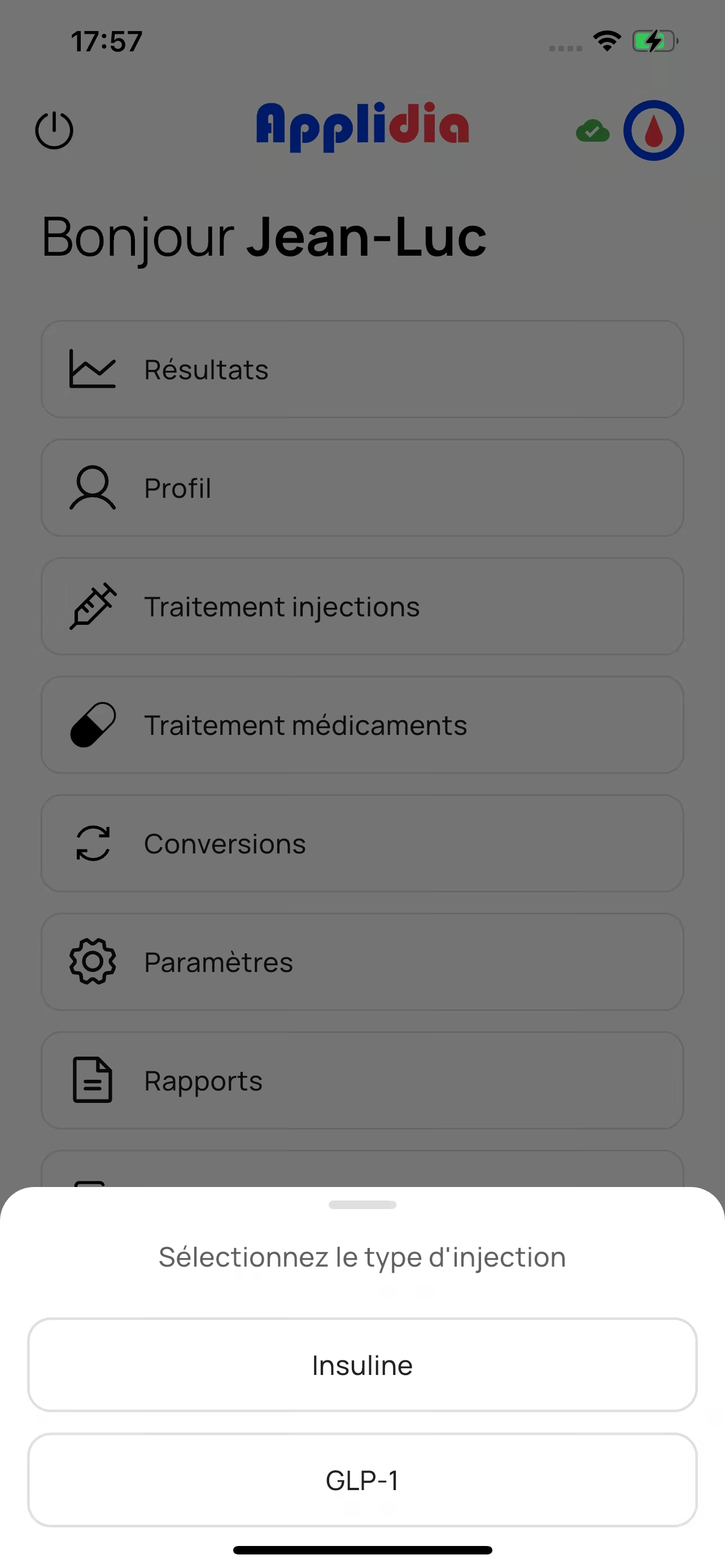
Entry in 2 taps
Once the injection is done, two taps in the app log:
- the treatment name (auto-filled),
- the injected dose (auto-filled),
- the date (pre-filled, editable).
No menu digging, no keyboard. Speed is the condition that lets you actually do it, week after week.
All your data in one place
Applidia brings together your blood glucose, your injections and your medications over the same period, in a single view. At a glance you see:
- how your blood glucose changes over the period,
- the regularity of your injections, week after week,
- the link between your blood glucose, your injections and your medications.
A PDF report for your diabetologist
Before each consultation, export in 2 taps a clean PDF: injections (dates, doses), blood glucose, notable events. Your physician reads the history in 30 seconds instead of reconstructing the timeline from fuzzy memories.
6. In summary
GLP-1 analogs have transformed the management of type 2 diabetes and obesity. Their efficacy rests on three pillars:
- Regularity of the weekly injection.
- Gradual titration under medical supervision.
- Objective monitoring of blood glucose, injections and tolerance.
Applidia does not replace your physician or your injection pen, but it turns daily tracking into a 10-second gesture, and the weekly reminder into an automatism you no longer have to carry in your head.
Are you starting GLP-1 treatment? Download Applidia, set up your molecule in 2 minutes and let the app carry the regularity for you. Your next consultation will go better.
Sources
- Marso SP, et al. Liraglutide and Cardiovascular Outcomes in Type 2 Diabetes (LEADER). N Engl J Med 2016;375:311-322. Link
- Marso SP, et al. Semaglutide and Cardiovascular Outcomes in Patients with Type 2 Diabetes (SUSTAIN-6). N Engl J Med 2016;375:1834-1844. Link
- Gerstein HC, et al. Dulaglutide and cardiovascular outcomes in type 2 diabetes (REWIND). Lancet 2019;394:121-130. Link
- American Diabetes Association. Standards of Care in Diabetes. Diabetes Care. Link
This article is for informational purposes only. It does not replace the advice of your physician or pharmacist. Any treatment change must be validated by your medical team.